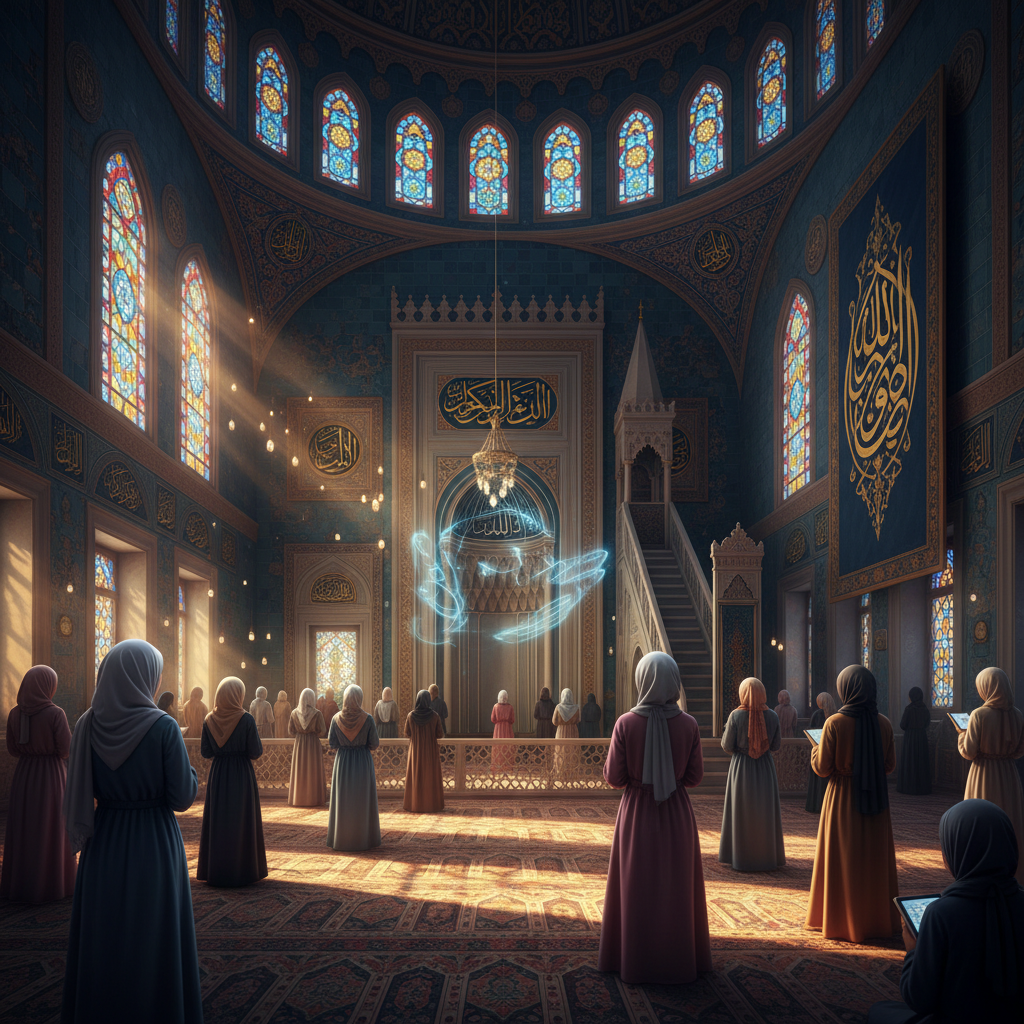
The Feminine Touch at Eyüp Sultan Mosque in 2026: A Heritage Shaped from Harem to Mihrab
As we reach 2026, the Eyüp Sultan Mosque in Istanbul continues to hold special significance for women. This sacred place has attracted attention for centuries, not only with its architecture, but also with the spiritual atmosphere it harbors and the role of women in mosque life. The Eyüp Sultan Mosque offers an important reference point for understanding the deep-rooted feminine touch shaping its heritage.
Eyüp Sultan Mosque Women: Following a Deep-Rooted Legacy in 2026
As we reach the year 2026, the Eyüp Sultan Mosque, standing tall in all its glory in the heart of Istanbul, has historically held a special significance for women. For centuries, this sacred place has attracted attention not only for its architecture but also for its spiritual atmosphere and the vital role of Eyüp Sultan Camii kadınlar (Eyüp Sultan Mosque women) in mosque life. The Eyüp Sultan Mosque offers an important reference point for understanding the place of women in religious, social, and cultural life from the Ottoman Empire to the present day. Its enduring legacy is a testament to the spiritual identity shaped by Istanbul's conquest spirit.
Historical Significance of Eyüp Sultan Mosque for Women
Historically, the Eyüp Sultan Mosque has always meant more than just a place of worship for women. Following its construction shortly after the conquest of Istanbul, the mosque became an early center where women visited, prayed, socialized, and acquired knowledge. This historical continuity highlights the indispensable place of the mosque in social life and its relevance to Eyüp Sultan Camii kadınlar. To truly grasp its enduring impact, one might explore the legacy of Abu Ayyub al-Ansari, whose presence deeply influenced the mosque's role.
Women's Role in the Ottoman Period at the Mosque
During the Ottoman Empire, mosques were among the rare public spaces where women were visible in social life. Particularly in central mosques like the Eyüp Sultan Mosque, special sections (mahfils, haremlik) were reserved for women. These sections allowed women to perform religious duties, converse, raise their children, and participate in some social activities. This engagement was a cornerstone for Eyüp Sultan Camii kadınlar.
- Attending daily prayers and Friday prayers.
- Participating in special worship and prayers on sacred nights and holidays.
- Joining mawlid and dhikr circles.
- Visiting the tomb and seeking spiritual healing.
Eyüp Sultan Tomb Visits: A Tradition for Women
The presence of Hazreti Abu Ayyub al-Ansari's tomb in the mosque courtyard makes the Eyüp Sultan Mosque an even more special pilgrimage site for women. Historically, and continuing strong into 2026, women seeking children, healing, or fulfilling wishes have flocked here. They visit the tomb, pray, read the Quran, and make vows. This tradition is a significant aspect of Eyüp Sultan Camii kadınlar's spiritual life.
Eyüp Sultan Mosque as a Women's Social Hub
Indeed, the area around the Eyüp Sultan Mosque has been a vibrant space for women's social interaction for centuries. The surrounding bazaars, inns, and houses fostered women's participation in commercial and cultural activities. Women merchants, craftswomen, and foundation managers of various profiles significantly enriched the social fabric of the mosque's surroundings, showcasing the active role of Eyüp Sultan Camii kadınlar. This interplay between the mosque and its surroundings also impacted civilian architecture and urban development.
Education and Knowledge Circles for Women
During the Ottoman period, while mosque madrasahs offered educational opportunities for men, some mosques also organized special knowledge circles for women. Specifically at the Eyüp Sultan Mosque, it is known that Quran, hadith, and fiqh lessons were given by women scholars or female teachers of the time. These lessons were attended from the women's section of the mosque, demonstrating that the Eyüp Sultan Mosque was not only a place of worship but also a center of learning for women. This educational focus also contributed to the network of influence for statesmen shaped in its shadows.
These trainings included:
- Quran recitation and tafsir (exegesis) lessons.
- Hadith science and understanding the sayings of the Prophet.
- Acquiring knowledge on fiqh (Islamic law) topics.
- Discussions on moral and spiritual development.
Foundation Movements and Women's Leadership
In Ottoman society, foundations formed the basis of social solidarity and service. Importantly, women played a significant part in these structures as founders, administrators, or members of the board of trustees. Women's foundations played a crucial role in the construction and maintenance of many social structures in and around the Eyüp Sultan Mosque. These foundations undertook various charitable works, such as maintaining the mosque, hosting guests, and helping the poor, highlighting the leadership of Eyüp Sultan Camii kadınlar.
Architectural Details for Women at Eyüp Sultan Mosque
The architecture of the Eyüp Sultan Mosque incorporates special details to enhance women's mosque experience. The dedicated areas for women facilitated their religious duties while providing privacy and peace, reflecting careful consideration for Eyüp Sultan Camii kadınlar. These thoughtful designs are part of the broader story of the secret architects and geniuses behind its whispering stones.
Harem Section Arrangements
The "haremlik" or "women's mahfil" sections inside the mosque are typically located on the upper floor or in the side parts of the main prayer hall, separate from men. These areas were usually separated from the main hall by lattices or screens but featured an opening through which the mihrab and minbar could be seen. These arrangements aimed for women at the Eyüp Sultan Mosque to perform worship in a comfortable and peaceful environment.
Characteristics of these sections include:
- Good lighting and ventilation from large windows.
- Audibility of sermons due to acoustic properties.
- Independent entrance and exit doors from the men's section.
- Wider and more flexible areas, especially for mothers with children.
Mosque Courtyard and Women's Use
The wide and magnificent courtyard of the Eyüp Sultan Mosque has also served as an important gathering and resting place for women. Especially on sacred nights and holidays, women visiting the mosque would gather in the courtyard, converse, spend time with their children, and collectively experience the joy of religious holidays. The fountains and seating areas in the courtyard supported this social interaction. As of 2026, this tradition still maintains its vitality for Eyüp Sultan Camii kadınlar. For more fascinating insights into the mosque's resources, consider exploring the legends of its healing waters and rich water culture.
Eyüp Sultan Mosque Women: Roles Today
Presently, the Eyüp Sultan Mosque continues to be an important religious and cultural center for women. Although the visitor profile varies, especially on weekends and religious days, thousands of women visit the mosque to pray, supplicate, and find spiritual peace.
Women's Activities in the Modern Era at the Mosque
The dynamic conditions of the 21st century have influenced women's roles and forms of participation in the mosque. As of 2026, various modern programs are organized for women at the Eyüp Sultan Mosque, catering specifically to Eyüp Sultan Camii kadınlar. Such initiatives highlight the mosque's ongoing relevance in contemporary Istanbul and reflect a commitment to community engagement, similar to the operations discussed in Behind the Scenes at Eyüp Sultan Mosque.
- Quran courses and Tajweed lessons.
- Seminars and panels on Islamic sciences.
- Volunteer activities and social responsibility projects.
- Participation in mosque guidance and visit programs.
- Religious education activities for children.
Such events strengthen social bonds among women at the Eyüp Sultan Mosque and contribute to increasing religious awareness.
Eyüp Sultan: A Source of Spirituality and Peace
Crucially, the Eyüp Sultan Mosque is not only a place of worship for women but also a haven of spiritual purification and peace. Many women seek refuge here to escape the stress of intense city life, find inner tranquility, and strengthen spiritual bonds. The mosque's historical fabric, its serene atmosphere, and the spiritual presence of Abu Ayyub al-Ansari offer a unique experience to all visitors. Further details on current spiritual practices and visitor experiences can often be found on the Islamic Landmarks website, which provides valuable context for sacred sites around the world.
Conclusion: Eyüp Sultan Mosque in the Hearts of Women
The Eyüp Sultan Mosque boasts a deep-rooted past and a bright future, extending from yesterday to today for women. This sacred place, where religious duties have been performed, knowledge acquired, social bonds established, and spiritual solace found throughout history, maintains its importance and value in 2026. The mosque's architecture, historical events, and especially the active role of Eyüp Sultan Camii kadınlar, elevate the Eyüp Sultan Mosque to its unique position in Istanbul's and Turkey's cultural heritage. Every day, new generations enter the doors of this ancient mosque and continue their spiritual journeys here. For insights into preservation efforts and historical contexts of such important structures, the UNESCO website's cultural heritage section provides a global perspective.
Sıkça Sorulan Sorular
What is the historical significance of the Eyüp Sultan Mosque for women?
Historically, the Eyüp Sultan Mosque has served as more than just a place of worship for women. Since its construction after the conquest of Istanbul, it has been a crucial center where women could pray, socialize, and acquire knowledge. This enduring role underscores the mosque's importance in the social and spiritual lives of women, continuing to be a significant site in 2026 for the Eyüp Sultan Camii kadınlar.
What roles did women play in the Eyüp Sultan Mosque during the Ottoman Empire?
During the Ottoman Empire, the Eyüp Sultan Mosque was one of the few public spaces accessible to women for social life. Special sections, such as mahfils and haremliks, were dedicated for women to perform religious duties, converse, raise their children, and engage in social activities. They participated in daily and Friday prayers, sacred night observances, mawlids, and dhikr circles, all vital aspects for Eyüp Sultan Camii kadınlar.
Why is visiting the Eyüp Sultan Tomb a significant tradition for women?
The presence of Hazreti Abu Ayyub al-Ansari's tomb within the mosque courtyard makes it a highly significant pilgrimage site. Women, historically and continuing into 2026, visit the tomb seeking children, healing, or fulfillment of wishes. They pray, read the Quran, and make vows, highlighting a deep spiritual connection and an integral aspect of the Eyüp Sultan Camii kadınlar's spiritual life.
How did the Eyüp Sultan Mosque function as a social hub for women?
For centuries, the area surrounding the Eyüp Sultan Mosque has been a vibrant social hub for women. The nearby bazaars, inns, and houses facilitated women's participation in commercial and cultural activities. Women merchants, craftswomen, and foundation managers were active figures, enriching the social fabric and demonstrating the dynamic role of Eyüp Sultan Camii kadınlar in the community.