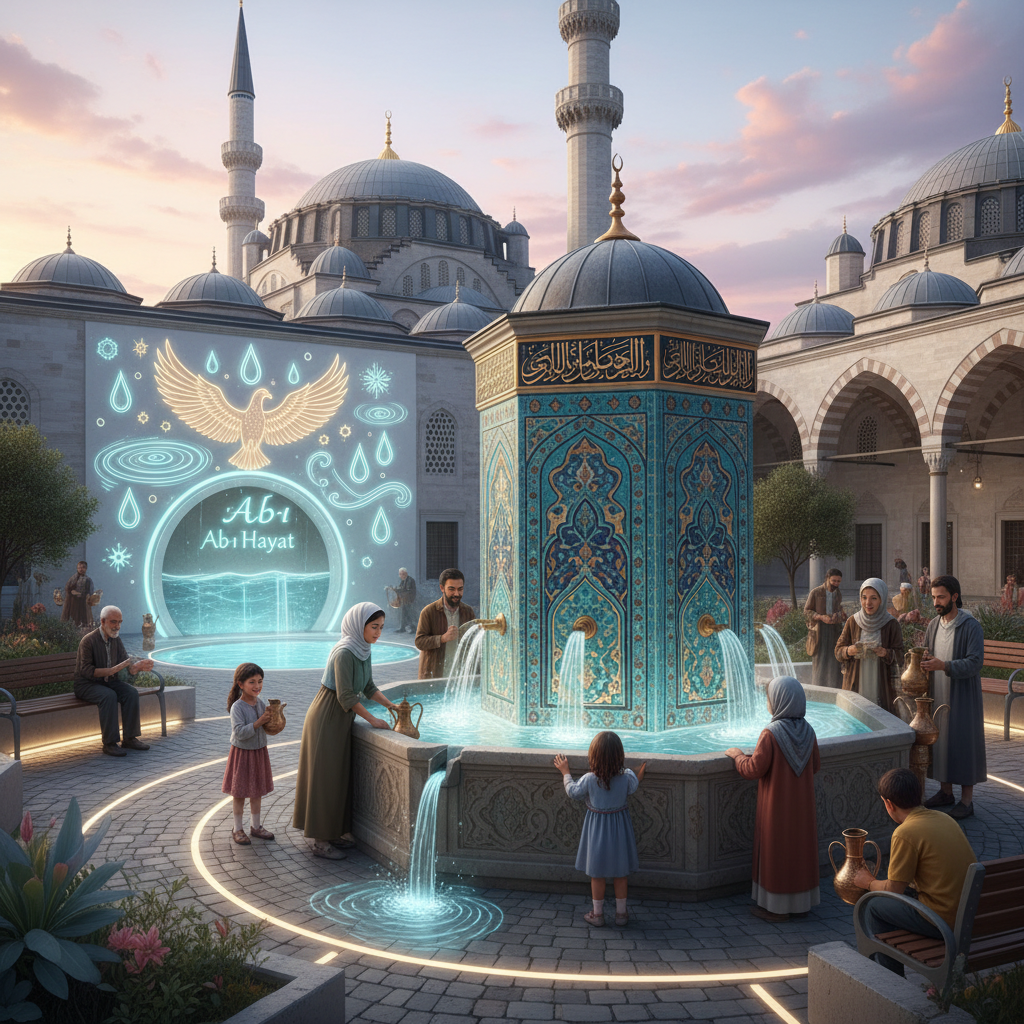
Stories from the Healing Waters of Eyüp Sultan Mosque in 2026: Fountains, Cisterns, and Legends of the Water of Life
In 2026, the Eyüp Sultan Mosque continues to captivate visitors with its rich water culture. Nestled in Istanbul's spiritual heart, this sacred site is renowned not only for its impressive architecture but also for the profound significance of its water sources. From ancient fountains dotting the courtyards to ingeniously designed cisterns ensuring a constant supply, water has always been central to the mosque's spiritual and community life. Legends of healing waters and the mythical 'Water of Life' are deeply woven into the fabric of its history, drawing pilgrims and curious minds alike. This article delves into how water has shaped the Eyüp Sultan Mosque experience for centuries, highlighting its enduring legacy in 2026.
Eyüp Sultan Mosque Water Culture: Stories from Healing Waters
In the spiritual heart of Istanbul, the Eyüp Sultan district, Eyüp Sultan Mosque, which holds history in every stone and a secret in every corner, captivates its visitors not only with its architecture but also with its profound Eyüp Sultan Mosque Water Culture. As we enter the year 2026, the sanctity of water that has persisted for centuries around this unique mosque, the refreshing power of its fountains, and the deep stories of its cisterns still retain their initial vitality. In this article, we will examine the Eyüp Sultan Mosque through the lens of water, revealing the rich heritage extending from legends of the Water of Life to its waters believed to be healing.
Eyüp Sultan Mosque and the Historical Importance of Water
Eyüp Sultan Mosque, in addition to being one of the first large complex structures of the Ottoman Empire, shows us how critical a role water played in worship, cleanliness, and spiritual purification. The mosque's location on the Golden Horn further strengthens its connection with water. Many statesmen and influential figures have visited this sacred place, underscoring its enduring significance. This historical significance is deeply tied to the Eyüp Sultan Mosque Water Culture.
Water Elements in Ottoman Architecture
In Ottoman architecture, water carries not only a functional element but also an aesthetic and symbolic meaning. Fountains located in the courtyards of mosques meet the need for ablution while also offering a peaceful sound and sight.
- Shadirvans (Ablution Fountains): Indispensable in mosque courtyards, they are used for ablution and also carry aesthetic value.
- Fountains: Structures, often adorned with inscriptions, that meet the water needs of residents and visitors.
- Cisterns: Enormous structures where water was stored, sometimes built as underground galleries, hinting at the mosque's underground secrets.
Eyüp Sultan Mosque Water Culture and Legends
Around the Eyüp Sultan Mosque, many legends and beliefs related to Eyüp Sultan Mosque water culture have survived to the present day. These legends show that water is perceived not merely as a physical need but as a source of spiritual healing.
In the Footsteps of Ab-ı Hayat (Water of Life)
The legend of Ab-ı Hayat (Water of Life), which holds an important place in Islamic tradition, is also associated with the Eyüp Sultan Mosque. According to narratives, some water sources in this region are believed to be connected to Ab-ı Hayat.
- The spiritual power attributed to water sources near the tomb of Hz. Eyüp.
- The belief that supposedly healing waters are beneficial for spiritual and physical ailments.
- The tradition of visitors drinking these waters to make wishes and seek healing.
The Meaning of Water in Modern Times (2026)
Even in 2026, visitors to the Eyüp Sultan Mosque drink water from these historical fountains, paying homage to the past and establishing a spiritual connection. These sacred waters are still an important part of faith tourism, reinforcing the enduring Eyüp Sultan Mosque Water Culture.
Eyüp Sultan Fountains: An Architectural and Functional Marvel
The Eyüp Sultan Mosque complex and its surroundings host countless fountains, each with its own story. These fountains present some of the finest examples of Ottoman water architecture while also playing a vital role in meeting the community's water needs. The richness of water architecture in Ottoman Istanbul is particularly evident here, showcasing the depth of Eyüp Sultan Mosque Water Culture.
Fountains Inside and Outside the Mosque
The fountains in the mosque's courtyard and on its exterior facade draw attention with their aesthetic appearance. Often adorned with marble craftsmanship and featuring examples of calligraphy, these fountains are veritable works of art.
- Courtyard Fountains: In addition to the ablution areas inside the mosque, the fountains in the courtyard also provided cleanliness before worship.
- Street Fountains: Fountains placed on the streets around the mosque to meet the water needs of local residents and passersby.
- Inscribed Fountains: Most fountains bear inscriptions that include the name of the patron, the date of construction, and sometimes a prayer or a meaningful saying.
Cisterns: Hidden Water Sources in the Depths of Istanbul
The cisterns in the Eyüp Sultan area are actually part of the ancient water storage systems spread throughout Istanbul. These cisterns met the city's vital water needs, especially during dry periods and sieges. Discovering these structures helps us understand the broader transformation of Istanbul and time, and their role in the Eyüp Sultan Mosque Water Culture.
Pre-Ottoman and Post-Ottoman Use
It is known that some cisterns around the Eyüp Sultan Mosque date back to the Byzantine period, while others were built or restored by the Ottomans. These structures show that water meant much more than just its current use.
During and after the construction of the Eyüp Sultan Mosque, the region's water needs were largely met through these cisterns. The storage and distribution of water were carried out with the advanced engineering knowledge of that period. For more on the historical water supply of Istanbul, the Byzantine Cisterns of Istanbul offer a fascinating perspective.
- Aqueducts: Ancient aqueducts and channels that carried water to Eyüp Sultan.
- Water Towers (Terazis): Structures that controlled water distribution by adjusting pressure.
- Cisterns Today: Many of these cisterns, still standing, are sometimes opened to visitors as museums, or used for different purposes.
Eyüp Sultan Mosque Water Culture and the Future (2026)
As we reach 2026, it is important to evaluate the present and future role of Eyüp Sultan Mosque water culture. In a modern world where urbanization is intensifying and water resources are becoming increasingly valuable, this ancient water heritage in Eyüp Sultan offers us important lessons. The ongoing discussions about water sustainability are also pertinent to global water initiatives.
Sustainability and Awareness
The preservation of water resources around the Eyüp Sultan Mosque is of great importance for future generations. In this context, the cultural heritage emphasizing the sanctity of water should be protected, and sustainable water management practices should be supported.
- Water Heritage Studies: Research and preservation projects carried out on the water systems of Eyüp Sultan Mosque.
- Education and Awareness: Informing visitors and local residents about the value, conservation, and sanctity of water.
- Water Culture in Tourism: Highlighting water culture elements more prominently during visits to the Eyüp Sultan Mosque.
In conclusion, the Eyüp Sultan Mosque is more than just a place of worship or a mausoleum; it is a living museum, deeply connected with water. This unique place, where water is intertwined with healing, purification, and sanctity, continues to welcome visitors with the same spiritual power in 2026. This ancient Eyüp Sultan Mosque water culture is an important heritage that illuminates Istanbul's rich history and world of faith.
Sıkça Sorulan Sorular
What is the significance of water in the Eyüp Sultan Mosque's culture?
The Eyüp Sultan Mosque's water culture highlights water's critical role in worship, cleanliness, and spiritual purification. Beyond its functional use, water possesses aesthetic and symbolic meaning, evident in the various architectural elements like shadirvans and fountains. Many legends surrounding the mosque's water sources also associate them with spiritual healing and the 'Water of Life,' reflecting a deep-rooted cultural belief.
What types of water elements are found in the architecture around Eyüp Sultan Mosque?
In Ottoman architecture, particularly around structures like the Eyüp Sultan Mosque, several distinct water elements are prominent. These include Shadirvans, which are ablution fountains integral to mosque courtyards for ritual washing; Fountains, often intricately adorned, that provided water for the community; and Cisterns, which were large, often underground, structures designed for water storage and supply.
What is the legend of Ab-ı Hayat (Water of Life) related to Eyüp Sultan Mosque?
The legend of Ab-ı Hayat, or the Water of Life, is closely associated with the Eyüp Sultan Mosque. According to tradition, certain water sources in the mosque's vicinity are believed to be connected to this mythical Water of Life. Visitors in 2026 continue to drink these waters, hoping for spiritual and physical healing, making wishes, and drawing a profound spiritual connection to the teachings and history of the region.
How does Eyüp Sultan Mosque maintain its water culture in 2026?
Even in 2026, the Eyüp Sultan Mosque continues to uphold its rich water culture. Visitors from around the world still partake in the centuries-old tradition of drinking from the historical fountains, which are believed to possess healing properties. This practice not only provides a tangible link to the past but also serves as a spiritual ritual for many, reinforcing the enduring sanctity and significance of water within the mosque's environs.