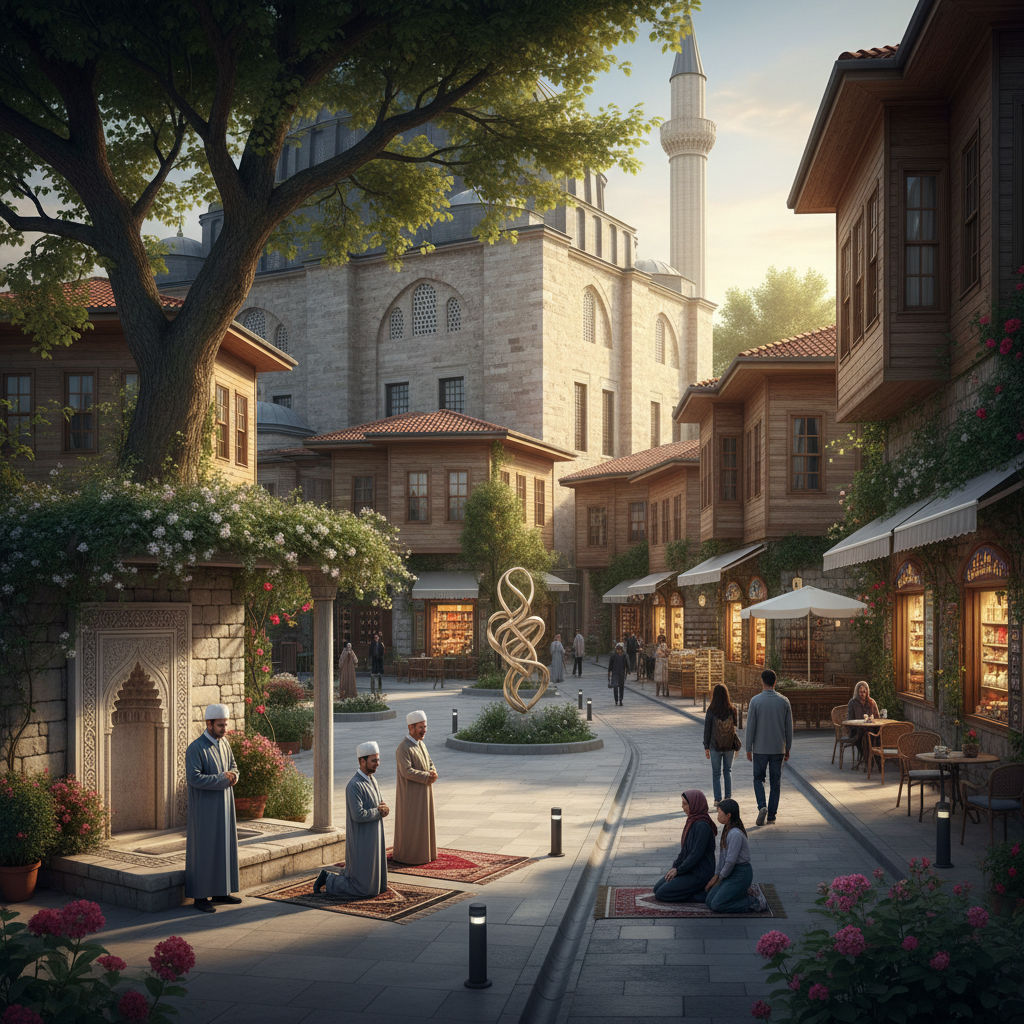
Eyüp Sultan Mosque's Legacy Beyond Its Walls in 2026: Surrounding Open-Air Prayer Areas and Their Impact on Civilian Architecture
Eyüpsultan, the heart of Istanbul, captivates visitors with its historical texture and spiritual atmosphere. In 2026, the surroundings of Eyüp Sultan Mosque continue to draw attention, not just for the mosque's magnificence but also for the rich heritage lying beyond its walls. This includes significant architectural structures and open-air prayer areas that have shaped civilian architecture over centuries, maintaining their influence into the present year. Discover how these elements contribute to the area's unique character.
Around Eyüp Sultan Mosque: Exploring Its Rich Heritage
Around Eyüp Sultan Mosque, the heart of Istanbul, captivates visitors with its historical texture and spiritual atmosphere. As we look to 2026, the Around Eyüp Sultan Mosque area attracts attention not only with the mosque's magnificence but also with its rich heritage lying beyond its walls. Specifically, the architectural structures, open-air prayer areas (namazgahs), and civil buildings in this region still bear the traces of the past, adding profound meaning to the city. This article thoroughly examines the sphere of influence of Eyüp Sultan Mosque and the cultural riches in its vicinity.
Around Eyüp Sultan Mosque: Historical and Spiritual Significance
Eyüp Sultan Mosque is the first grand Ottoman mosque built shortly after the conquest of Istanbul. It takes its name from Abu Ayyub al-Ansari. The settlement that developed around this mosque gradually became a religious, cultural, and commercial center. Although the region underwent significant changes during both the Ottoman and Republic periods, it managed to preserve its main character. Therefore, every corner around Eyüp Sultan Mosque is imbued with history and spirituality, making the area Around Eyüp Sultan Mosque a truly special place.
As of 2026, efforts to preserve this historical fabric continue, while also striving to blend it with the requirements of modern life. Visitors can journey into the past while also benefiting from contemporary facilities. Ultimately, Eyüp Sultan is a significant destination that hosts millions of local and foreign tourists annually. To learn more about the intrinsic connection between the mosque and its locality, read about the neighborhood's influence on Eyüp Sultan Mosque's design and spirit in 2026.
Establishment of Eyüp Sultan Mosque and Abu Ayyub al-Ansari
The construction of the mosque began in 1458 by the order of Fatih Sultan Mehmet. With the discovery of the tomb of Abu Ayyub al-Ansari, this place was accepted as a sacred area, and a complex formed around it. Named after Abu Ayyub al-Ansari, the standard-bearer of Prophet Muhammad, this mosque became one of the most important religious structures of the Ottoman Empire.
The presence of the tomb turned the region into a pilgrimage center. Consequently, madrasahs, Turkish baths, and other waqf (endowment) structures were built around it. Thus, this situation enabled the rapid development of the Around Eyüp Sultan Mosque area.
Eyüp Sultan and Istanbul's Spiritual Identity
Eyüp Sultan played a pivotal role in shaping Istanbul's spiritual identity. Ottoman sultans would gird their swords here during their enthronement ceremonies, which added a distinct sanctity to the region. These ceremonies also increased the importance of the mosque and its surroundings in the eyes of the public.
Today, this spiritual connection continues strongly. This makes Eyüp Sultan Mosque and its surroundings a frequent destination for those seeking peace. Especially on holy nights and during Ramadan, the region offers a unique atmosphere. For a deeper understanding of its long-standing spiritual role, explore the millennia-old pilgrimages and visitations to Eyüp Sultan Mosque in 2026. The spiritual aura Around Eyüp Sultan Mosque is truly profound.
Namazgahs and Religious Heritage Around Eyüp Sultan Mosque
The Around Eyüp Sultan Mosque area is home to numerous namazgahs and small mosques that are as important as the mosque itself. These structures are special places used for outdoor prayer, usually with a specific story or benefactor. Namazgahs are an essential part of the Ottoman urban planning philosophy. They demonstrate their place in the religious life of society.
As of 2026, some of these namazgahs have been restored, while others still stand in their original form. Each of these stone structures, whispering its own story, makes a unique contribution to the cultural mosaic of Eyüp Sultan.
Balcı Yokuşu Namazgah (Balcı Hill Prayer Area)
Located on Eyüp Sultan's famous Balcı Hill, this namazgah has a simple yet impressive architecture. It was generally used by local shopkeepers and travelers, designed to meet their immediate prayer needs. Its proximity to Eyüp Sultan Mosque also increased the popularity of this namazgah.
This structure, notable for its stone workmanship and simple mihrab (prayer niche), contributes to the calm and peaceful atmosphere of the region. It remains an important religious place for the local population, adding to the rich tapestry Around Eyüp Sultan Mosque.
Pierre Loti Hill Namazgah (Pierre Loti Hill Prayer Area)
This namazgah, located on the slope leading to Pierre Loti Hill, offers the opportunity to pray with the view of the Golden Horn. On this hill, famous for its vista, many Muslims performed their prayers in the past. Today, it is particularly used by visitors during sunset. This namazgah, with its panoramic views, also invites contemplation on the broader context of Islamic architecture and its interaction with natural landscapes.
This namazgah is also a beautiful example of how the natural beauty of the region is intertwined with worship. Indeed, the Around Eyüp Sultan Mosque area is full of such special places.
Lesser-Known Namazgahs and Small Mosques
Eyüp Sultan is not just composed of well-known mosques and namazgahs. Hidden among the narrow streets of the region are many small mosques and namazgahs, usually known only to local residents. These are simple but effective places of worship, often designed for individuals or very small congregations. Each holds a special meaning for the residents of the district, contributing to the unique character Around Eyüp Sultan Mosque.
These small structures are an important part of Eyüp Sultan's neighborhood culture and religious life. They bear the traces of traditional architecture and offer visitors a different Eyüp Sultan experience.
Civil Architecture and the Interaction with Around Eyüp Sultan Mosque
The Around Eyüp Sultan Mosque area is not only comprised of mosques and namazgahs. They are also enriched by examples of civil architecture from the Ottoman period. These houses, mansions, fountains, and hans (caravanserais) are important elements that constitute the cultural identity of the region. As of 2026, these structures have largely been restored or placed under protection.
Traditional wooden houses, stone mansions, and elegant fountains add unique beauty to the atmosphere of Eyüp Sultan. Moreover, these civil architectural works also offer important clues about Ottoman societal life.
Ottoman Period Houses and Mansions
While strolling through the streets of Eyüp Sultan, one can encounter Ottoman houses with wooden bay windows and colorful windows. These houses are usually two or three stories high and reflect a traditional lifestyle. They stand out with their large gardens and courtyards.
Such examples are particularly concentrated in areas like Nişancı Mahallesi and Sakızağacı Street. Many have been restored and are now used as boutique hotels, cafes, or private residences. Thus, they are kept alive. The interplay between these residential structures and the grandeur of the mosque illustrates the vibrant secrets of Eyüp Sultan Mosque, from architectural patterns to artistic reflections. This blend is a key feature Around Eyüp Sultan Mosque.
Fountains and Sabil (Public Water Dispensers)
Eyüp Sultan also hosts important examples of water architecture. The fountains and sabils in the region attract attention with both their aesthetic beauty and their functions in social life. Many fountains, such as the "Eyüp Sultan Mosque Fountain," not only brought water to the public but also offered a visual spectacle. These structures were an important source of cooling, especially during hot summer days.
These fountains are usually adorned with inscriptions and motifs reflecting the artistic understanding of their period. As of 2026, most of them are still in usable condition or under protection, adding to the charm Around Eyüp Sultan Mosque.
Historic Hans (Caravanserais) and Commercial Buildings
Eyüp Sultan, in addition to being a religious center, was also an important trade hub. For this reason, there were many hans and commercial establishments in the region. Although many of these have changed today, some structures retain their originality. You can discover more about the historical trade routes and their significance to the Ottoman Empire on The Metropolitan Museum of Art's exploration of the Ottoman Empire, including trade and craftsmanship.
These hans provided accommodation and trading opportunities for merchants and visitors coming from different parts of Istanbul. In this respect, Eyüp Sultan had a vibrant economy and social life, all centered Around Eyüp Sultan Mosque.
Cultural Events and Developments Around Eyüp Sultan Mosque in 2026
By 2026, the Around Eyüp Sultan Mosque area has become even more vibrant with cultural events, restoration projects, and sustainability efforts. The region has transformed into a center where tradition and modernity blend, offering new experiences to both visitors and local residents.
Especially the special events organized during Ramadan and religious holidays make Eyüp Sultan one of Istanbul's most attractive spots. Shops offering traditional handicrafts and local delicacies also contribute to the vitality of the region.
Ongoing Restoration Efforts
In 2026, many restoration projects are still underway to preserve the historical fabric of Eyüp Sultan. Especially endangered civil architectural examples and small mosques are meticulously restored by expert teams. These efforts ensure that the cultural heritage of the region is passed on to future generations. For context on historical preservation efforts globally, refer to UNESCO's information on conservation approaches for cultural heritage.
Large mosques and tombs also undergo regular maintenance, preserving the durability and aesthetics of the historical structures. Notably, the Around Eyüp Sultan Mosque area will always maintain its historical beauty.
Cultural Events and Festivals
Eyüp Sultan Municipality contributes to the cultural life of the region by organizing various cultural events and festivals throughout the year. Handicraft exhibitions, traditional music concerts, talks, and children's workshops attract the interest of both local residents and tourists.
Organizations such as the Eyüp Sultan Film Festival and Traditional Eyüp Ramadan Events particularly increase the cultural allure of the region, enhancing the experience Around Eyüp Sultan Mosque.
Transportation and Environmental Planning
Access to Eyüp Sultan has become quite easy as of 2026. Metro, tram, and bus lines enable visitors to comfortably reach this historic area. Furthermore, environmental planning and pedestrian walkways in the region allow visitors to explore comfortably.
The increase in green areas, the preservation of historical texture, and the provision of modern facilities further enhance the charm of Eyüp Sultan. Ultimately, the Around Eyüp Sultan Mosque area is becoming more inviting every day.
Conclusion: The Future Heritage of Around Eyüp Sultan Mosque
Even as we reach 2026, the Around Eyüp Sultan Mosque area continues to be one of Istanbul's most special regions with its deep historical roots, rich spiritual atmosphere, and unique architectural examples. The namazgahs, civil architectural examples, fountains, and streets beyond the mosque's walls are an integral part of the region's cultural identity. This heritage, extending from the past to the present, must be preserved and kept alive for future generations.
The restoration works, cultural events, and environmental planning help the Around Eyüp Sultan Mosque area both preserve its historical value and integrate with modern life. Eyüp Sultan stands as Istanbul's unique pearl, where history and spirituality walk hand in hand, offering a different experience to every visitor.
Sıkça Sorulan Sorular
What is the significance of the Eyüp Sultan Mosque surroundings in 2026?
In 2026, the Eyüp Sultan Mosque surroundings continue to hold immense historical and spiritual significance. Beyond the magnificent mosque itself, the area showcases a rich heritage of architectural structures, open-air prayer areas (namazgahs), and civil buildings that reflect centuries of history. It remains a vital cultural and spiritual hub, attracting millions of visitors annually.
When was the Eyüp Sultan Mosque established and by whom?
The Eyüp Sultan Mosque was established shortly after the Ottoman conquest of Istanbul, with construction beginning in 1458. It was built by order of Fatih Sultan Mehmet. The mosque takes its name from Abu Ayyub al-Ansari, whose tomb was discovered in the area, leading to the development of a significant complex around it.
Who was Abu Ayyub al-Ansari and why is he important to Eyüp Sultan?
Abu Ayyub al-Ansari was the standard-bearer of Prophet Muhammad, and his tomb was discovered in the area where the Eyüp Sultan Mosque now stands. This discovery led to the site being revered as a sacred area and a pilgrimage center. His presence is central to the spiritual identity and historical development of the Eyüp Sultan region.
How has the Eyüp Sultan region developed over time?
Following the establishment of the Eyüp Sultan Mosque and the discovery of Abu Ayyub al-Ansari's tomb, the surrounding area rapidly developed into a significant religious, cultural, and commercial center. Madrasahs, Turkish baths, and other waqf (endowment) structures were built, contributing to its historical fabric. As of 2026, efforts continue to blend this rich history with modern life.