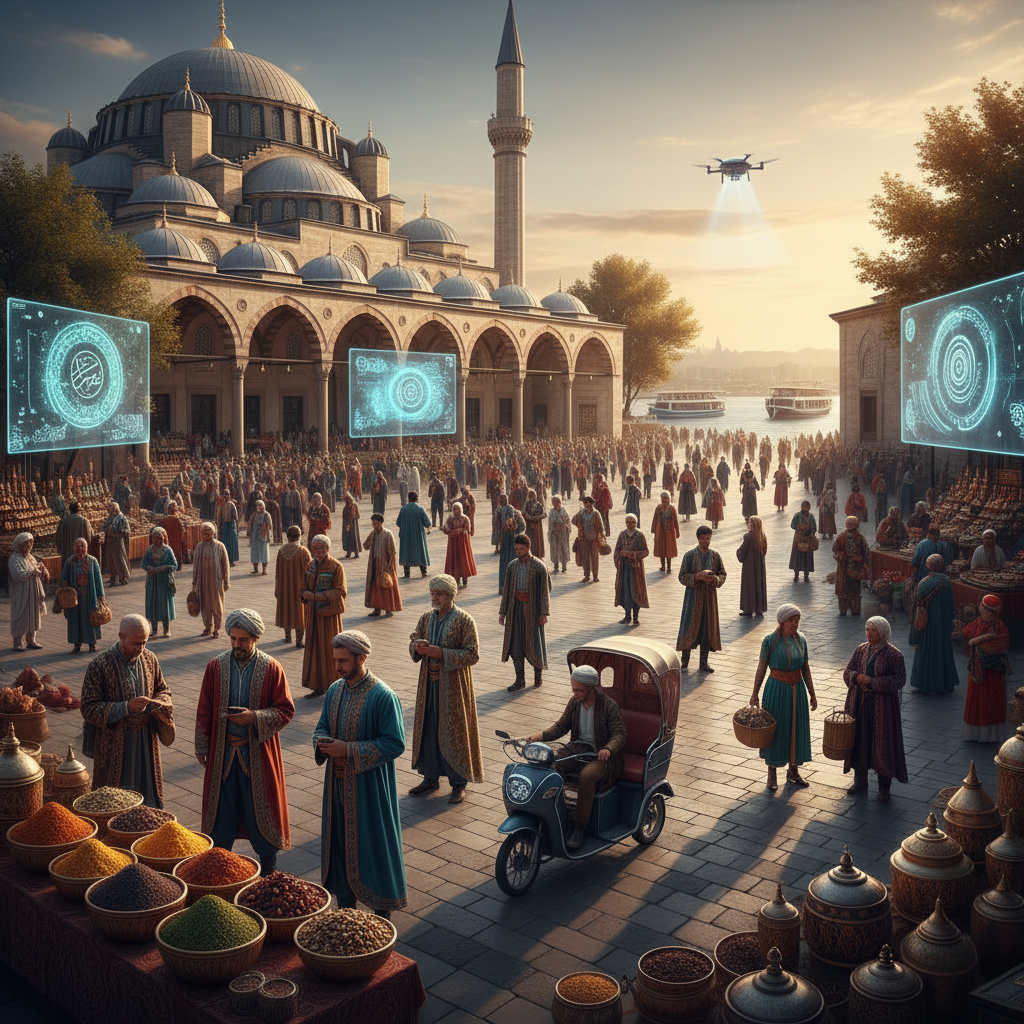
Eyüp Sultan Mosque in 2026: Silk Road Stories of Trade, Travelers, and Cultural Exchange
As we approach 2026, exploring the historical and cultural heritage of ancient cities like Istanbul holds great importance. This journey delves into the Eyüp Sultan Silk Road, acting as a time tunnel to centuries past when trade, faith, and cultural interactions flourished. The mosque, a pivotal point on these ancient routes, offers rich narratives of human connection and exchange. Discover how this iconic site reflects the vibrant history of the Silk Road.
Eyüp Sultan Silk Road: Trade, Travelers, and Cultural Interactions in 2026
As we approach 2026, delving into the depths of our historical and cultural heritage, especially exploring the connections of ancient cities like Istanbul with the past, holds great importance for us. In this journey of exploration, the Eyüp Sultan Silk Road acts as a time tunnel, taking us centuries back to periods when trade, faith, and cultural interactions peaked. This historical fabric around the Eyüp Sultan Mosque, more than just a place of worship, was one of the most important stops at the European gateway of a global trade network, namely the Silk Road. In this article, we will thoroughly examine Eyüp Sultan's strategic position on the Silk Road, the commercial activity that took place there, the region through the eyes of travelers, and the reflections of cultural interactions on our current day.
Eyüp Sultan's Strategic Position and Commercial Importance on the Silk Road
Eyüp Sultan became one of the most significant centers that gave the city its identity after the conquest of Istanbul. This geographical location naturally made it the gateway to Europe for the Eyüp Sultan Silk Road. Its location within the Golden Horn ensured that it was a point where sea and land trade converged.
The Silk Road was not just a trade route extending from China to Europe, but also the main artery of cultural exchange. Eyüp Sultan, as one of the last stops on this journey, served as a warehouse where valuable goods from the East were stored and then distributed to the West. Valuable items such as silk, spices, and porcelain changed hands in these regions.
A Bridge Between East and West: Eyüp Sultan
- Eyüp Sultan was one of the last stops for caravans coming from the depths of Asia.
- Goods arriving by ships via the Golden Horn were also distributed from here.
- This made the region an economically vibrant and dynamic center, a true hub for the Eyüp Sultan Silk Road.
Even in 2026, Eyüp Sultan's historical commercial role still bears observable traces in the structure of the bazaars and shops in the region. The old inns and warehouses around the mosque are silent witnesses to the intensity of past trade, offering insights into Istanbul's transformation over time.
Eyüp Sultan and Silk Road Experiences Through the Eyes of Travelers
Travelers, merchants, scholars, and religious leaders journeying along the Silk Road frequently visited Eyüp Sultan. The notes, memoirs, and engravings left by these travelers provide valuable clues for us to understand the atmosphere of Eyüp Sultan on the Silk Road during that era. These accounts highlight the significance of the Eyüp Sultan Silk Road as a cultural and commercial nexus.
For instance, famous Ottoman travelers like Evliya Çelebi meticulously described Eyüp Sultan's bazaars, mosques, and particularly the Tomb of Abu Ayyub al-Ansari in their Seyahatname (Book of Travels). These works reveal the cultural diversity of the region, the convergence of people from different nations, and the vibrancy of commercial life.
From Marco Polo to Ottoman Travelers: Eyüp Sultan Stops
Western travelers also showed great interest in this last stop of the Silk Road. Especially during the Ottoman Empire, Istanbul was a critical center for both trade and diplomacy. Eyüp Sultan, as an important part of this great metropolis, held a special place in the experiences of travelers.
- Travelers' notes provide information about the caravanserais, inns, and accommodation places in Eyüp Sultan of that period.
- The religious and spiritual atmosphere of Eyüp Sultan was a major attraction for many travelers.
- Its cosmopolitan structure, where different languages and cultures coexisted, attracted the interest of travelers, further cementing its role on the Eyüp Sultan Silk Road.
Cultural Interactions and the Legacy of the Eyüp Sultan Silk Road
The Eyüp Sultan Silk Road facilitated not only the flow of goods but also ideas, art, and beliefs from East to West and West to East. This cultural interaction left deep traces in many areas of Eyüp Sultan, from its architecture to its cuisine, from its handicrafts to its daily life.
Especially during the Ottoman period, Eyüp Sultan, which became an important center of Islamic culture, was a meeting point for scholars, artists, and artisans coming from the Silk Road route. This increased the cultural richness of the region and made it a center where different civilizations melted into a single pot. The masterpieces of calligraphy and illumination found within the mosque today are a testament to this artistic convergence.
Silk Road Wind in Art and Craftsmanship
Handicraft products made in Eyüp Sultan or brought via the Silk Road enriched the region's cultural identity. Crafts such as carpet weaving, tile art, miniature painting, and mother-of-pearl inlay were influenced by and influenced other cultures along the Silk Road.
- Motifs of silk and porcelain from China were interpreted in local arts.
- Ornamental techniques from Central Asia were used in architecture and handicrafts.
- Products from Eyüp Sultan to Europe influenced Western art and fashion.
Even today, it is possible to find products in Eyüp Sultan's bazaars that bear the traces of these ancient crafts. This is an indicator of how strong the cultural heritage of the Eyüp Sultan Silk Road is.
Architectural and Social Structure of Eyüp Sultan Mosque in the Axis of the Silk Road
The Eyüp Sultan Mosque and its social complex (Külliye) were at the center of the cultural and economic wealth that emerged on the Eyüp Sultan Silk Road. The Külliye was not merely a mosque but a comprehensive complex structure with its madrasas, soup kitchens, Turkish baths, and bazaars.
These structures offered Silk Road travelers and merchants accommodation, food, education, and the opportunity to carry out their commercial activities. Thus, the mosque and its surroundings were a social hub that brought different people together. Architecturally, the Külliye reflected the most popular architectural trends of the period, incorporating some elements adopted from other civilizations along the Silk Road. Further insights into this fascinating integration can be found in discussions around the UNESCO Silk Roads Programme.
The Importance of the Külliye for Silk Road Travelers
The imaret (soup kitchen) within the Külliye distributed free meals to the poor and travelers, providing significant support to those traveling in the arduous conditions of the Silk Road. The education provided in the madrasas allowed students from different cultures to exchange knowledge. This further reinforced the role of the mosque as a hub for both spiritual and intellectual growth, similar to how statesmen were shaped in its shadows.
- Caravanserais were places where merchants could safely stay with their goods.
- Bazaars were vibrant commercial areas where goods from the Silk Road were bought and sold.
- Turkish baths were places where travelers could relieve the fatigue of long journeys.
With this holistic structure, the Eyüp Sultan Mosque proved that the Eyüp Sultan Silk Road was not just a stopping point, but also a center of life and culture.
2026 and the Future Legacy of the Eyüp Sultan Silk Road
Today, in 2026, the historical heritage of Eyüp Sultan on the Silk Road maintains its importance in the modern world. Preserving the historical fabric of the region, increasing awareness of cultural heritage, and integrating it into tourism are vital for transmitting this rich past to future generations. For a broader perspective on the Silk Road's enduring legacy, explore resources like the UNESCO Silk Roads initiative.
Eyüp Sultan still welcomes its visitors with the unique view of the Golden Horn, its historical stone streets, and its profound spiritual atmosphere. The cultural diversity brought by the Silk Road is still felt today as an area where people of different faiths and cultures come together. This heritage will continue to form the unique identity of the region, a testament to the enduring impact of the Eyüp Sultan Silk Road.
Silk Road Tourism and Eyüp Sultan
Within the scope of modern Silk Road tourism projects, Eyüp Sultan's potential is increasingly coming to the forefront. Visitors here embark on a historical journey and trace the footsteps of past trade and cultural interactions. The National Geographic's articles on the Silk Road provide excellent context for these journeys.
- Eyüp Sultan Mosque and the museums around it host exhibitions related to the Silk Road.
- Walking tours offer visitors the opportunity to follow the traces of the Silk Road.
- Local artisans continue the tradition of handicrafts extending from the past to the present.
In conclusion, the Eyüp Sultan Silk Road is not just a trade route belonging to the past, but also a rich cultural and historical heritage that continues its vitality and importance in 2026. The preservation and promotion of this heritage are crucial for the continuity of cultural diversity and historical dialogue.
Sıkça Sorulan Sorular
What is the significance of the Eyüp Sultan Silk Road in 2026?
In 2026, the Eyüp Sultan Silk Road is recognized as a profound historical connection, transporting us back centuries to a time when trade, faith, and cultural interactions flourished. It highlights the Eyüp Sultan Mosque's role as a critical stop at the European gateway of the global Silk Road trade network, offering insights into a rich past.
How did Eyüp Sultan achieve strategic importance on the Silk Road?
Eyüp Sultan gained strategic importance by becoming a central hub after Istanbul's conquest, acting as the Silk Road's European gateway. Its location on the Golden Horn facilitated the convergence of both sea and land trade, making it a crucial point for distributing goods from the East to the West.
What kind of goods were traded through Eyüp Sultan on the Silk Road?
Through Eyüp Sultan, valuable goods originating from the East, such as exquisite silk, exotic spices, and delicate porcelain, were traded. This region served as a vital warehouse where these treasures were stored before being distributed further into Western markets.
Does Eyüp Sultan's historical trade role still impact the region in 2026?
Yes, even in 2026, Eyüp Sultan's historical commercial role is still evident. The structure of its bazaars and shops, along with the old inns and warehouses surrounding the mosque, serve as tangible reminders and silent witnesses to the intensive trade activities of the past.
What insights do travelers' accounts offer about Eyüp Sultan's Silk Road era?
Accounts from travelers like Evliya Çelebi provide invaluable insights into Eyüp Sultan's Silk Road era. Their detailed notes, memoirs, and engravings describe the vibrant bazaars, mosques, and the revered Tomb of Abu Ayyub al-Ansari, revealing the region's cultural diversity, the convergence of various nationalities, and the dynamic commercial life.