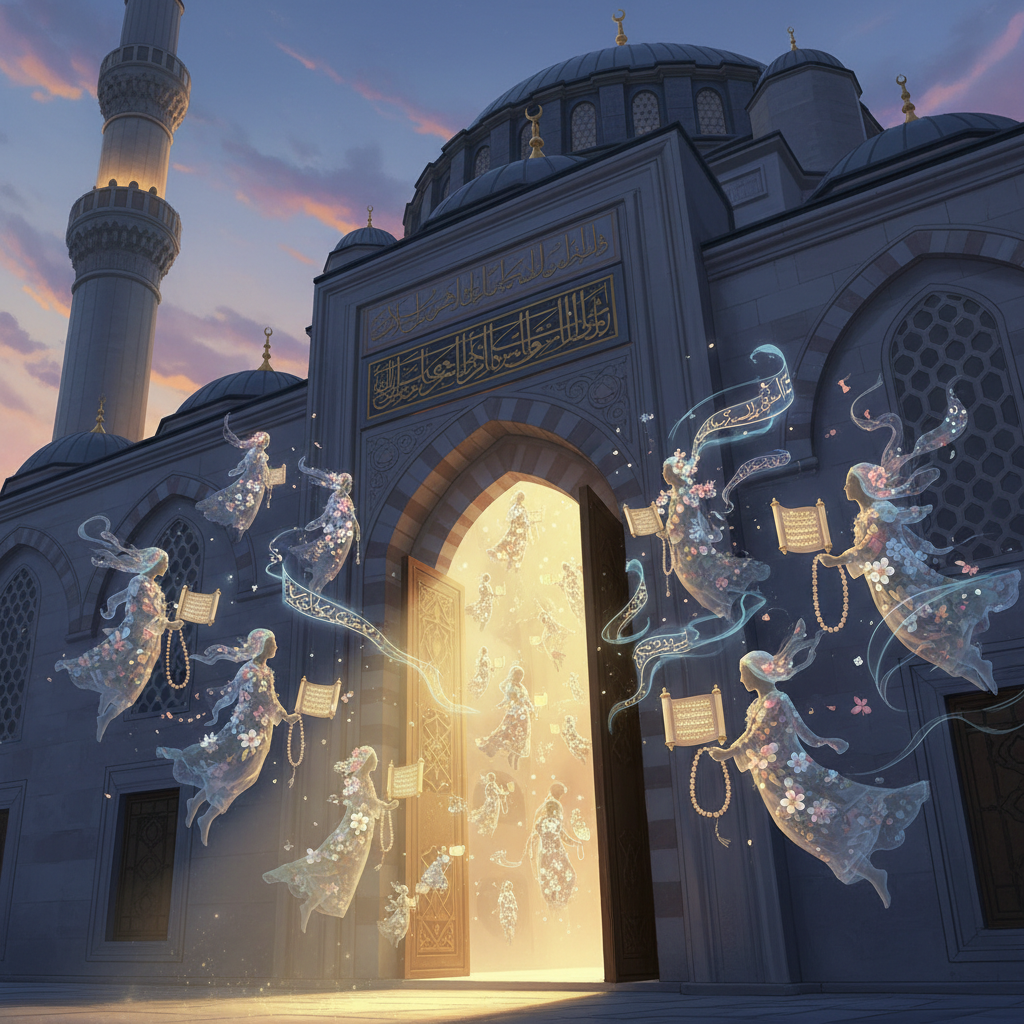
Iconographic Meanings of Eyüp Sultan Mosque in 2026: Symbols and Hidden Messages
Considered the spiritual heart of Istanbul, Eyüp Sultan Mosque attracts attention not only with its architecture but also with its rich iconography. As of 2026, understanding the iconography of Eyüp Sultan Mosque means both embarking on a historical and spiritual journey, revealing deep meanings.
Iconography of Eyüp Sultan Mosque: Uncovering Symbols and Hidden Messages
Considered the spiritual heart of Istanbul, Eyüp Sultan Mosque attracts attention not only with its architecture but also with its rich Iconography of Eyüp Sultan Mosque. This sacred place offers deep meanings to its visitors through the symbols and hidden messages it carries in every corner. Understanding the iconography of Eyüp Sultan Mosque means both embarking on a historical journey and experiencing the layered nature of our cultural heritage.
Historical Origins of the Iconography of Eyüp Sultan Mosque
Eyüp Sultan Mosque has held significant importance since the establishment of the Ottoman Empire. Built after the conquest of Istanbul, upon the discovery of the tomb of Abu Ayyub al-Ansari by Sultan Mehmed the Conqueror, this sacred site quickly became a complex. The iconographic elements of the mosque generally harmonize with the broader principles of Ottoman and Islamic art. For a deeper look into the historical context, explore the Conquest Spirit and Spiritual Identity associated with the mosque.
The construction of the mosque symbolizes the spirit of Ottoman conquest and devotion to Islam. Indeed, every motif, every inscription, and even every color used carries a specific meaning. These symbols strengthen the spiritual atmosphere of the mosque, while also offering spiritual guidance to visitors. The Iconography of Eyüp Sultan Mosque is deeply rooted in these historical foundations.
Symbolism in the Construction Process
- Direction of the Kaaba: The mosque is built facing the Kaaba, emphasizing the basic direction of worship in Islam. For more on this, see Eyüp Sultan Mosque's Celestial Compass: Qibla Determination and Cosmic Connections.
- Infinity Motifs: Geometric patterns in the tile and wood carvings represent the infinity of Allah and the order of the universe. These are key elements in the Iconography of Eyüp Sultan Mosque.
- Green Color: Green, often seen especially in the tomb section, symbolizes paradise, abundance, and Islamic prophethood.
Calligraphic Works and the Iconography of Eyüp Sultan Mosque
The calligraphic works adorning the interior of Eyüp Sultan Mosque are a crucial part of the mosque's iconographic richness. These inscriptions on the walls, dome, and minbar generally consist of Quranic verses, hadiths, or religious poems. Meticulously crafted by master calligraphers, these writings not only offer aesthetic beauty but also contain deep spiritual messages, forming a significant aspect of the Iconography of Eyüp Sultan Mosque.
Calligraphy itself holds an important place in Islamic culture. The aesthetic arrangement of letters aims to glorify Allah's word and show reverence for it. Significantly, the general atmosphere of the mosque becomes even more impressive with the spiritual power of these inscriptions. The Metropolitan Museum of Art provides insights into Islamic Calligraphy and its historical significance.
Prominent Calligraphy Examples
- Dome Inscriptions: These generally include Ayet-el Kürsi or the names and attributes of Allah, such as Esmaü'l Hüsna. These inscriptions strengthen the spiritual center of the mosque and are vital to the Iconography of Eyüp Sultan Mosque.
- Pulpit and Minbar Inscriptions: These sections contain religious teachings and advice that guide imams giving sermons and khutbahs, conveying important messages for the congregation. Learn more about the mosque's Divine Melodies from the Minbar and its Musical Heritage.
- Wall Panels: Adorned with various prophetic stories, Islamic wisdoms, or prayers. These panels effectively act as the mosque's storyteller.
Hidden Symbols in Tiles and Decorations: The Iconography of Eyüp Sultan Mosque
The tiles and other decorative elements used in the interior and exterior of Eyüp Sultan Mosque reflect the art understanding of the period, while also being a strong reflection of the Iconography of Eyüp Sultan Mosque. In this mosque, where some of the most beautiful examples of Ottoman tile art can be seen, each motif has its own special meaning. Thanks to restorations carried out over the past decades, the beauty and profound meaning of these tiles and decorations have become clearer.
The colors, patterns, and compositions in the tiles often convey a spiritual message through depictions of paradise, nature images, or abstract geometric forms. Iznik tiles, in particular, stand out with their vibrant colors and complex patterns. The Museum With No Frontiers offers a gallery of Iznik Ceramics, showcasing their beauty and historical context. These elements are integral to understanding the Iconography of Eyüp Sultan Mosque.
Iconographic Elements in Tiles
- Tulip and Carnation Motifs: Tulips represent the unity of Allah, while carnations symbolize paradise and Prophet Muhammad. These are significant in the Iconography of Eyüp Sultan Mosque.
- Tree of Life: A common motif referring to paradise and eternal life. It symbolizes rebirth and eternity.
- Geometric Patterns: These express the order of the universe, divine harmony, and endless cycles. Such patterns demonstrate the beautiful combination of mathematics and art.
The Eyüp Sultan Tomb and its Spiritual Iconography of Eyüp Sultan Mosque
As one of the most important parts of the Eyüp Sultan Mosque complex, the Eyüp Sultan Tomb forms the spiritual center of the mosque. This tomb, where the grave of Abu Ayyub al-Ansari is located, is held in great reverence in the Islamic world. The interior and exterior architecture, decorations, and atmosphere of the tomb carry a unique Iconography of Eyüp Sultan Mosque.
Visitors to the tomb often feel an intense spiritual energy here. The tiles on the outer walls, the silver railings in the interior, and the covers on the sarcophagus are all iconographic elements that reinforce this profound spirituality. To delve deeper into the mosque's hidden treasures, consider reading about the Eyüp Sultan Mosque Treasury Rooms: Tracing Forgotten Jewels and Mysterious Buried Treasures. The tomb's unique features are central to the overall Iconography of Eyüp Sultan Mosque.
Iconographic Features of the Tomb
- Silver Railings: The silver railings surrounding the tomb emphasize holiness and express the visitor's deep respect.
- Sarcophagus Covers: These covers, usually velvet embroidered with gold, are likened to the Kaaba cover and represent the highest level of reverence.
- Window and Door Carvings: Windows and doors adorned with exquisite examples of wood carving and mother-of-pearl inlay art symbolize the gates of paradise.
The Enduring Meaning of the Iconography of Eyüp Sultan Mosque Today
Even today, the iconographic meanings of Eyüp Sultan Mosque remain a significant attraction for visitors. In the modern world, people increasingly value spiritual beliefs and cultural roots. The mosque is one of the rare places that responds to this search, harboring both deep history and rich symbolism. The Iconography of Eyüp Sultan Mosque continues to inspire and educate.
The iconographic elements of the mosque carry the heritage of the past to the present day, continuing to be an important part of our cultural identity and belief system. Every visitor can find new meanings for their own spiritual journey through these timeless symbols. The UNESCO World Heritage Centre highlights the universal value of historic areas like Istanbul, emphasizing the importance of preserving such sites and their rich Iconography of Eyüp Sultan Mosque.
Impact of Iconography on Visitor Experience
- Spiritual Depth: The meanings of the symbols help visitors establish a deeper connection with the mosque.
- Educational Value: Especially in educational tours, iconography provides important information about Ottoman art and Islamic culture to students and scholars.
- Artistic Inspiration: It serves as an endless source of inspiration for artists and researchers seeking profundity, drawing from the rich Iconography of Eyüp Sultan Mosque.
Eyüp Sultan Mosque is not just a place of worship, but also a living museum of history and art. The intricate Iconography of Eyüp Sultan Mosque serves as a bridge from the past to the present, reminding us once again how valuable our religious and cultural heritage is. The symbolic power of this unique structure will continue to inspire its visitors for generations to come.
Sıkça Sorulan Sorular
What is the significance of Eyüp Sultan Camii iconography in 2026?
As of 2026, understanding the iconography of Eyüp Sultan Mosque means both embarking on a historical journey and experiencing the layered nature of Istanbul's cultural heritage. It allows visitors to delve into the deep meanings and hidden messages within this sacred place, which is considered the spiritual heart of Istanbul.
What are the historical origins of the Eyüp Sultan Mosque's iconography?
The mosque's iconography dates back to the Ottoman Empire, built after the conquest of Istanbul upon the discovery of Abu Ayyub al-Ansari's tomb. Its iconographic elements align with broader Ottoman and Islamic art principles. The symbols found within strengthen the mosque's spiritual atmosphere and offer guidance to visitors, reflecting the spirit of Ottoman conquest and devotion.
What specific symbols can be found in the construction of Eyüp Sultan Mosque?
Key symbols in the construction include the mosque's orientation towards the Kaaba, emphasizing Islam's basic direction of worship. Geometric patterns in tiles and wood carvings, known as infinity motifs, represent Allah's infinity and the universe's order. The consistent use of green, particularly in the tomb area, symbolizes paradise, abundance, and Islamic prophethood.
How do calligraphic works contribute to the iconography of Eyüp Sultan Mosque?
Calligraphic works are a crucial part of the mosque's iconographic richness. Adorning the interior with Quranic verses, hadiths, and religious poems, these meticulously crafted inscriptions by master calligraphers offer not only aesthetic beauty but also profound spiritual messages. Calligraphy in Islamic culture glorifies Allah's word and shows reverence for it through artistic letter arrangement.