2026: The Vibrant Secrets of Eyüp Sultan Mosque – From Architectural Patterns to Artistic Reflections
Standing for centuries in the heart of Istanbul with its spiritual atmosphere and majestic presence, the Eyüp Sultan Mosque is more than just a place of worship; it is a living monument of art and history. Especially in 2026, new research and restoration efforts provide us with the opportunity to delve into the depths of its artistic heritage. Discover the mosque's architectural beauty and its enduring aesthetic echoes.
Eyüp Sultan Mosque: A Legacy of Artistic Heritage
Standing for centuries in the heart of Istanbul with its spiritual atmosphere and majestic presence, the Eyüp Sultan Mosque is more than just a place of worship; it is a living monument of art and history. This article delves into the profound significance of the Eyüp Sultan Mosque: A Legacy of Artistic Heritage. Especially in 2026, in light of technological advancements, new research and restoration efforts provide us with the opportunity to delve into the depths of the Eyüp Sultan Mosque's artistic heritage. This unique structure, from its architectural patterns to its interior decorations, from calligraphy to tile work, offers a rich cultural treasure in every corner. Indeed, the Eyüp Sultan Mosque continues to captivate visitors and scholars alike with its profound aesthetic and historical significance, truly embodying a legacy of artistic heritage.
Architectural Grandeur: The Eyüp Sultan Mosque's Artistic Heritage
The Eyüp Sultan Mosque represents one of the pinnacles of Ottoman architecture. The original mosque, built by Sultan Mehmed the Conqueror, was replaced by the current structure during the reign of Sultan Selim III. The mosque adheres to the traditional Ottoman mosque plan type while distinguishing itself with unique details. Clearly, the design reflects a profound artistic vision, contributing significantly to the Eyüp Sultan Mosque: A Legacy of Artistic Heritage. For a deeper dive into its structural evolution, explore Eyüp Sultan Mosque's Centuries-Spanning Transformation.
- Palace Architecture Influences: The mosque clearly demonstrates the reflections of the aesthetic understanding in the palace architecture of that period on mosque architecture. This connection highlights a shared artistic language.
- Two-Minaret Aesthetics: Its two elegant minarets, like works of art rising towards the sky, complete the mosque's silhouette. Every detail reflects the mastery of the era and contributes to the area's visual appeal.
- Spiritual Atmosphere: The design of the mosque is conceived to take visitors on a spiritual journey. The spaciousness and lighting of the interior enhance this atmosphere, making it a truly immersive experience. More on its spiritual essence can be found in Forgotten Rituals and Social Life in 2026.
As of 2026, thanks to digital architectural modeling and 3D scanning techniques, more in-depth information about the mosque's original architectural plans and structural details is being obtained. These studies ensure that the Eyüp Sultan Mosque's artistic heritage value is also scientifically documented for future generations. Subsequently, this blend of heritage and technology fosters a deeper appreciation for the Eyüp Sultan Mosque: A Legacy of Artistic Heritage.
Artistic Reflections from Structural Details
Every stone, every column of the mosque reflects the aesthetic and artistic taste of its period. The structural elements are not only functional but also offer a visual feast of the mosque's artistic heritage.
- Stone Carving: The stone carving details on the exterior of the mosque are the product of fine craftsmanship. Geometric ornaments and floral motifs make the stone feel as if it has come alive, showcasing intricate artistic skill.
- Dome Coverings: The main dome and half-domes give the mosque a majestic appearance. The calligraphic work and written inscriptions within these domes depict artistic delicacy, therefore enriching the visual experience.
Calligraphy and Penmanship: A Core of Eyüp Sultan Mosque's Artistic Heritage
Upon entering the interior of the Eyüp Sultan Mosque, you are greeted by the captivating world of calligraphy and penmanship adorning the walls and inner domes. These artworks visually convey the spiritual depth of the mosque. Unquestionably, one of the most important elements of the Eyüp Sultan Mosque's communication legacy is undoubtedly the calligraphy examples found here, forming a significant part of the Eyüp Sultan Mosque: A Legacy of Artistic Heritage.
In many parts of the mosque, verses, hadiths, and prayers were written by the most skilled calligraphers of their time. These writings are not only aesthetic but also serve as historical and religious documents. In 2026, special restoration projects are underway to preserve these calligraphic works and transmit them to future generations. Hence, the tradition of beautiful writing continues to thrive, showcasing the enduring Eyüp Sultan Mosque: A Legacy of Artistic Heritage.
Traces Left by Master Calligraphers
Within the mosque, it is possible to see examples of calligraphic art from different periods. The unique style of each calligrapher has enabled the mosque to acquire an atmosphere like an art gallery, truly a testament to diverse artistic expression.
- Touches of Ottoman Calligraphers: Works by leading calligraphers of the 18th and 19th centuries, in particular, adorn the walls of the mosque. These pieces are crucial to understanding the evolution of Turkish calligraphy.
- Celi Sülüs Inscriptions: The main calligraphic inscriptions of the mosque are generally in the Celi Sülüs style, reaching the highest level both in readability and aesthetics. Evidently, this style combines legibility with profound beauty.
Tile Art and Wood Carving: A Dance of Colors and Textures in Eyüp Sultan Mosque's Artistic Heritage
The Eyüp Sultan Mosque also possesses a rich artistic legacy in terms of tile and wood carving. These two art forms create a harmonious integrity in the interior and exterior spaces of the mosque, further solidifying the Eyüp Sultan Mosque: A Legacy of Artistic Heritage. Collectively, they contribute to the mosque's breathtaking beauty.
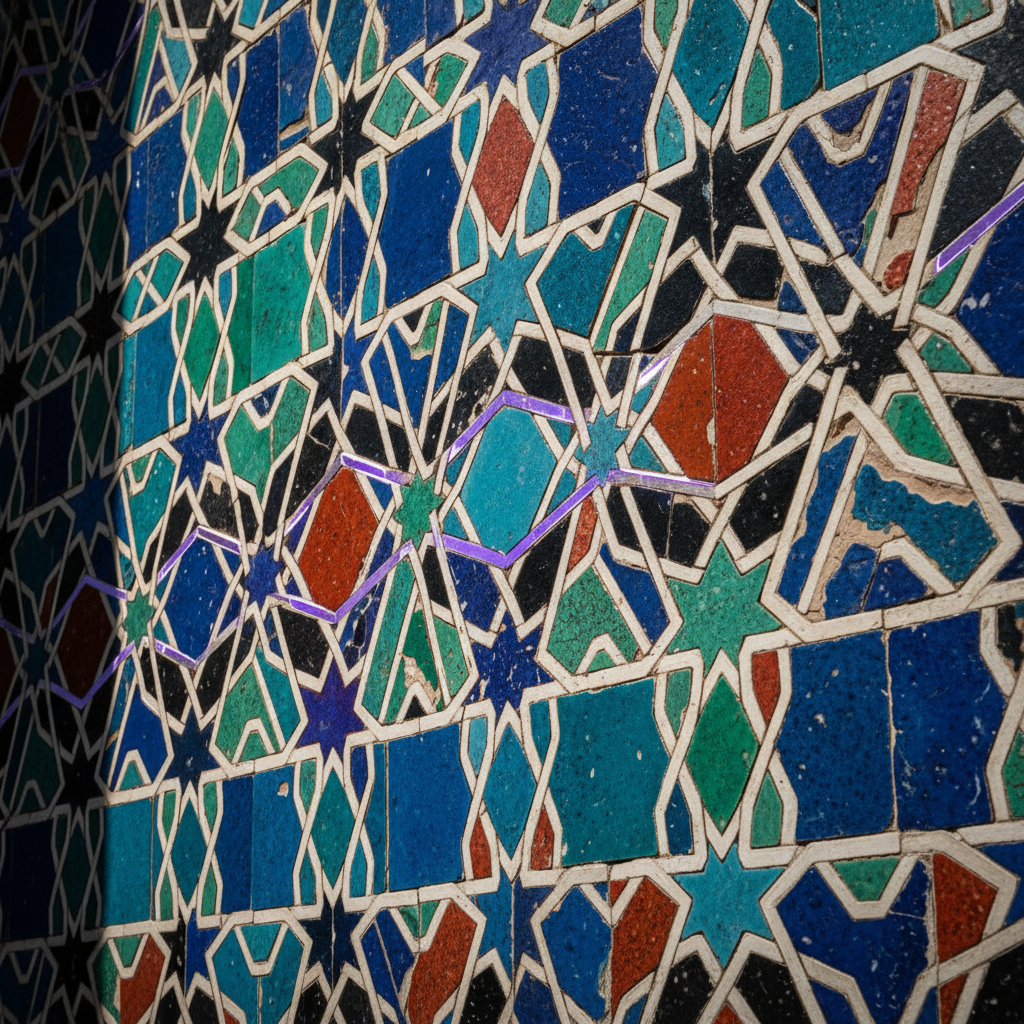
The tiles used in important sections of the mosque, such as the mihrab and minbar, present some of the finest examples of Iznik and Kütahya tile art. Dominated by shades of blue, green, and white, these tiles create a serene and peaceful atmosphere in the mosque. Furthermore, woodcarving is encountered in doors, windows, and pulpits. Wooden details adorned with mother-of-pearl inlay and carving techniques showcase the subtlety of traditional Turkish handicrafts, reflecting generations of skilled artistry. You can read more about its historical context in Islamic Art and Architecture, and how it contributes to the Eyüp Sultan Mosque: A Legacy of Artistic Heritage.
Meanings Within Tile Motifs
The botanical and geometric motifs used in the tiles carry not only aesthetic but also symbolic meanings. These motifs represent paradise gardens and divine order, therefore enriching the spiritual narrative of the mosque.
- Tulip and Carnation: Tulip and carnation motifs, frequently used in Ottoman art, are also found in Eyüp Sultan Mosque tiles. These flowers symbolize elegance and eternity.
- Geometric Patterns: Interlocking geometric patterns that evoke a sense of infinity express the order of the universe and divine unity. Such patterns are a hallmark of Islamic art.
Societal and Cultural Impacts of Eyüp Sultan Mosque's Artistic Heritage
The Eyüp Sultan Mosque's artistic heritage is not limited to material artifacts; it also has a profound impact on social and cultural life. For centuries, the mosque has been a center for gathering, worship, and cultural interaction. Indeed, its influence extends far beyond its physical structure, making the Eyüp Sultan Mosque: A Legacy of Artistic Heritage a cornerstone of the community.
Especially starting from the Ottoman period until today, a culture of living has formed around the mosque. The Eyüp Sultan district, named after the mosque, has preserved its historical and mystical atmosphere. Even in 2026, the area around the mosque continues to attract intense interest from local and foreign tourists, researchers, and religious people. This demonstrates that the mosque's artistic and cultural value remains vibrant and critically important. For historical perspectives, consider exploring UNESCO's World Heritage Site designation of historic areas of Istanbul, which further highlights the Eyüp Sultan Mosque: A Legacy of Artistic Heritage.
Preservation and Future Transfer of Artistic Works
Today, the preservation and transmission of the Eyüp Sultan Mosque's endowment history and legacy to future generations is of great importance. With projects jointly carried out by the Ministry of Environment and Urbanization and the Ministry of Culture and Tourism, the original structure and artistic decorations of the mosque are meticulously protected. Consequently, its legacy is secured, ensuring the continuity of the Eyüp Sultan Mosque: A Legacy of Artistic Heritage.
- Expert Restoration Teams: Expert restoration teams carefully restore every detail of the mosque using techniques consistent with its original form. This ensures authenticity and longevity.
- Digital Archiving: All artistic details of the mosque are archived in digital format and made accessible to researchers. Thus, knowledge and appreciation can spread globally.
Thanks to these efforts, the unique Eyüp Sultan Mosque's artistic heritage will continue to live on for generations and inspire. The mosque serves as a bridge carrying the past to the present, offering visitors both a visual feast and spiritual fulfillment. Ultimately, it remains a beacon of artistic and cultural splendor, truly embodying the Eyüp Sultan Mosque: A Legacy of Artistic Heritage.
Eyüp Sultan Mosque and Modern Art Interactions in 2026
As of 2026, the interaction of historical and artistic structures like the Eyüp Sultan Mosque with modern art is also becoming interesting. While the mosque preserves its traditional Eyüp Sultan Mosque's artistic heritage, it also serves as an inspiration for contemporary interpretations and digital exhibitions. This dynamic relationship enriches both historical and modern artistic landscapes, further enhancing the Eyüp Sultan Mosque: A Legacy of Artistic Heritage.
Young artists, in particular, are creating new works inspired by the mosque's architectural details, calligraphy, and tile motifs. These works add a new perspective to the mosque's historical fabric while respecting it. Interactive exhibitions utilizing virtual reality (VR) and augmented reality (AR) technologies to experience the mosque's artistic details offer visitors a different exploration opportunity. Therefore, technology plays a vital role in its continued relevance and in showcasing the Eyüp Sultan Mosque: A Legacy of Artistic Heritage.
Digital Art Projects Inspired by the Mosque
The artistic elements of the Eyüp Sultan Mosque also find their place on digital platforms. These projects help the mosque reach a wider audience and engage new generations.
- 3D Modeling Exhibitions: 3D models of the mosque's interior and exterior spaces are presented as virtual tours on online platforms. Hence, global access to its beauty is expanded.
- Holographic Projections: Impressive shows are organized in the mosque's garden or in nearby art galleries, featuring holographic projections of the mosque's calligraphy and tile motifs. These visual spectacles bring its art to life in new ways.
- Education Workshops: Traditional art workshops like calligraphy, illumination, and tile-making, based on the relationship between mosque arts and Islamic arts, offer an opportunity to transmit this valuable heritage to younger generations. Consequently, skills and traditions are passed on, ensuring the continuation of the Eyüp Sultan Mosque: A Legacy of Artistic Heritage.
In conclusion, the Eyüp Sultan Mosque's artistic heritage is a unique value that carries the riches of the past to the present and illuminates the future. In 2026, this heritage is both preserved and continues to develop through interaction with the dynamics of the modern world. This sacred place, with every stone, pattern, and story, continues to be an integral part of Istanbul's and Turkey's cultural identity. It is truly a timeless source of inspiration, embodying the profound Eyüp Sultan Mosque: A Legacy of Artistic Heritage.
Sıkça Sorulan Sorular
What is the Eyüp Sultan Mosque celebrated for in 2026?
In 2026, the Eyüp Sultan Mosque continues to be celebrated as a living monument of art and history in Istanbul. Its significance lies in its rich artistic heritage, known as 'Eyüp Sultan Camii sanatsal miras,' encompassing its architectural patterns, interior decorations, calligraphy, and tile work. Recent research and restoration efforts, enhanced by 2026's technological advancements, offer deeper insights into its profound aesthetic and historical values.
How does the Eyüp Sultan Mosque reflect Ottoman architectural principles?
The Eyüp Sultan Mosque stands as a prime example of Ottoman architecture, adhering to traditional mosque plan types while featuring unique details. It effectively demonstrates influences from contemporary palace architecture, showcasing a shared artistic language. Its elegant two minarets and spacious interior, designed to create a spiritual atmosphere, highlight the mastery of the era and contribute to its visual and spiritual appeal, even in 2026.
What technological advancements are enhancing the study of the Eyüp Sultan Mosque's heritage in 2026?
As of 2026, digital architectural modeling and 3D scanning techniques are significantly enhancing the study of the Eyüp Sultan Mosque's artistic heritage. These cutting-edge tools allow researchers to obtain more in-depth information regarding the mosque's original architectural plans and structural details. This blend of historic heritage with modern technology ensures that the mosque's value is scientifically documented and appreciated by future generations.
When was the current structure of the Eyüp Sultan Mosque built?
The current structure of the Eyüp Sultan Mosque was built during the reign of Sultan Selim III. It replaced the original mosque, which was initially constructed by Sultan Mehmed the Conqueror. This historical evolution adds layers to its artistic and architectural narrative, continually studied and appreciated in 2026.