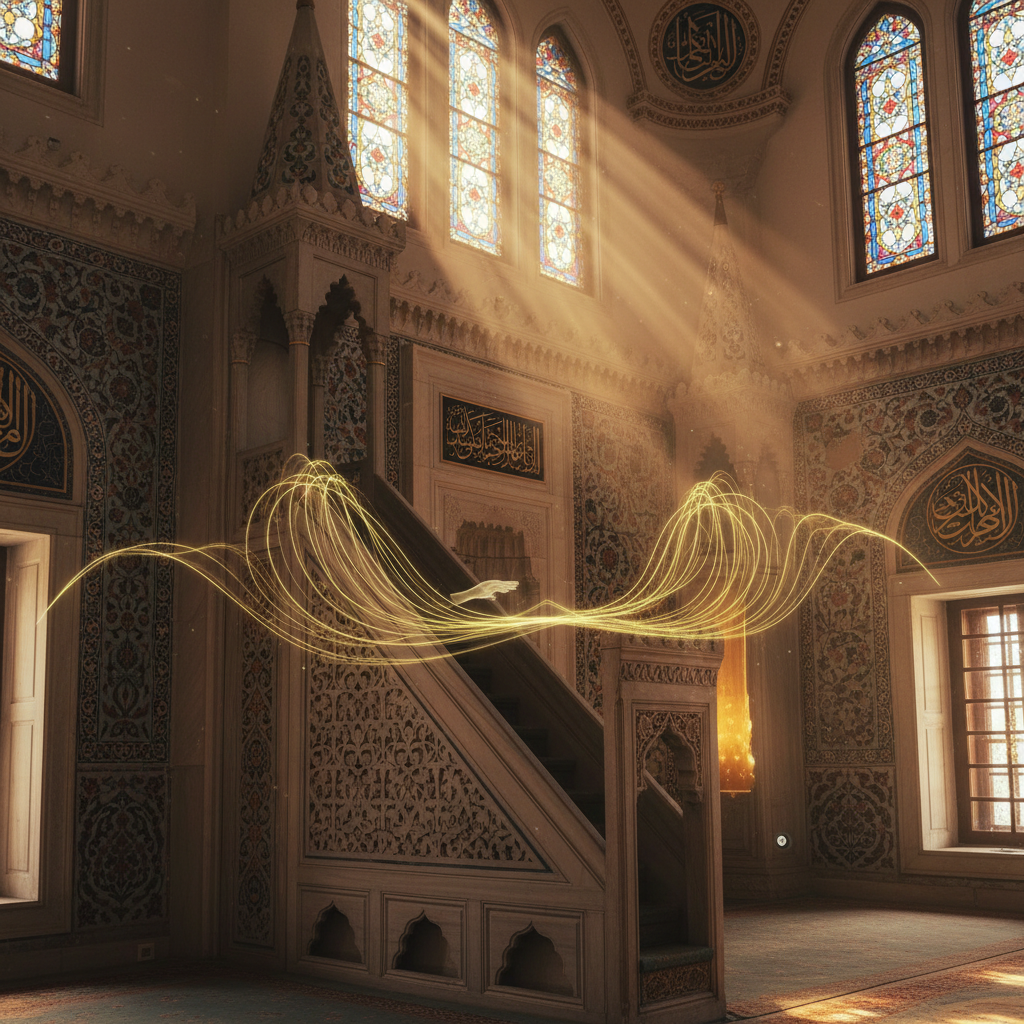
Eyüp Sultan Mosque's Acoustic Secrets: Voices Echoing from Minbar to Mihrab 2026
Eyüp Sultan Mosque, a spiritual landmark in Istanbul, captivates visitors with its unique acoustics alongside its rich history and architecture. As we are in 2026, this article delves into the scientific and historical aspects of how this sacred structure has masterfully managed sound, creating an unparalleled auditory experience from the minbar to the mihrab for centuries.
Eyüp Sultan Mosque Acoustics: Unveiling the Sound Secrets
The Eyüp Sultan Mosque, truly the spiritual heart of Istanbul, fascinates visitors with its profound architecture, rich history, and captivating Eyüp Sultan Mosque acoustics. As we delve into 2026, we explore, from both scientific and historical perspectives, how this unique structure has offered an unparalleled sound experience for centuries. Every word echoed from the minbar, and every prayer from the depths of the mihrab, reaches the congregation flawlessly. This article will unravel the mysteries of Eyüp Sultan Mosque's sound engineering, helping us understand the impressively enduring visitor experience. For a broader understanding of the mosque's historical significance, consider reading about Eyüp Sultan Mosque in 2026: A Cornerstone of Turkish and Ottoman History.
Eyüp Sultan Mosque Acoustics: Architecture's Dance with Sound
A premier example of Ottoman architecture, Eyüp Sultan Mosque boasts a superior acoustic design, evident since its construction. Bearing the distinct traces of the Mimar Sinan school, this structure appeals not only to visual aesthetics but also to an auditory feast. The mosque's general plan, dome structure, wall materials, and intricate internal arrangements have been meticulously considered to ensure optimal propagation of sound waves. To explore the physical characteristics further, delve into Eyüp Sultan Mosque: Stories Carved in Stone – A Look from 2026.
The Acoustic Role of the Dome in Eyüp Sultan Mosque Acoustics
Firstly, the main dome of Eyüp Sultan Mosque plays a critical role. It efficiently collects sound waves, distributing them equally over the entire congregation. The interior surfaces of the domes are covered with materials specifically chosen to minimize sound absorption, thus providing the most efficient reflection. This architectural feature ensures the clear voice of the muezzin and imam reaches every corner of the mosque, even the furthest rows. Ultimately, this remains a fundamental element for the exceptional Eyüp Sultan Mosque acoustics.
The Importance of Material Selection for Optimal Sound
Furthermore, natural materials such as stone, marble, and wood, used throughout the mosque's construction, directly impact sound absorption and reflection properties. Stone and marble surfaces, in particular, allow sound to reverberate for a longer time. However, acknowledging the function of this reverberation time in creating a sacred space, specific acoustic arrangements were implemented to prevent excessive reverberation. These subtle details undeniably support the perfection of the Eyüp Sultan Mosque acoustics.
A Masterpiece of Ottoman Acoustic Engineering: Eyüp Sultan Mosque
Long before the advent of modern acoustic science, Ottoman architects successfully optimized the sound performance of structures through intuitive and empirical methods. Eyüp Sultan Mosque stands as one of the brightest examples of this enduring tradition. The mosque's construction process considered not only aesthetic and religious requirements but also the paramount importance of sound in the worship experience. Even in 2026, this engineering, which still inspires immense admiration, yields surprising results when analyzed with today's advanced technologies. Its legacy in communication, from calligraphy to modern media, is equally significant, as discussed in Eyüp Sultan Mosque's Communication Legacy in 2026: Bridging Calligraphers to Social Media.
Balanced Sound Distribution in Eyüp Sultan Mosque Acoustics
Importantly, the homogeneous distribution of sound within the mosque is vital. It allows the congregation to hear the imam's speeches and Quranic recitations clearly, regardless of their location. The acoustics of Eyüp Sultan Mosque skillfully provide this delicate balance. The fact that the sound is neither muffled nor excessively reverberating at any point is a direct result of the architects' detailed calculations and foresight, contributing significantly to the overall Eyüp Sultan Mosque acoustics.
Adjusting the Reverberation Time for a Spiritual Experience
In a place of worship, the correct reverberation time creates a spiritual atmosphere while simultaneously maintaining sound clarity. Short reverberation times can make a space feel dull, whereas excessively long reverberation times can render words unintelligible. The acoustic properties of Eyüp Sultan Mosque perfectly strike this balance. This ensures both speech intelligibility and a profound, mystical depth. In this manner, the Eyüp Sultan Mosque acoustics have offered a unique and deeply spiritual experience to the congregation for centuries.
Sound Journey from Minbar to Mihrab: The Heart of Eyüp Sultan Mosque Acoustics
The minbar is the platform from which the imam delivers the sermon in the mosque. Therefore, it is of great importance that the sound reaches the congregation most effectively from this point. In Eyüp Sultan Mosque, the minbar's location and design have been thoughtfully arranged to ensure the most efficient propagation of sound throughout the sacred space. The mihrab, on the other hand, is the niche indicating the direction of the qibla, where the imam leads the prayer. It effectively helps to collect and reflect sound towards the congregation during prayer. Historical figures, including those who led prayers from these very spots, are detailed in Eyüp Sultan Mosque and Its Mysterious Figures: Embark on a Discovery in 2026.
Attendants and the Natural Acoustics of Eyüp Sultan Mosque
While modern sound systems are now common, historically, attendants responsible for the mosque's sound relied entirely on natural acoustics. Imams and muezzins, possessing a deep understanding of the mosque's acoustic properties, expertly used their voices. This historical detail powerfully reveals the natural efficiency and grandeur of the Eyüp Sultan Mosque acoustics. For insight into the roles within the mosque, explore Spiritual Leaders of Eyüp Sultan Mosque in 2026.
Resonance and Frequency Control in Ottoman Design
At certain points in the mosque, special design elements may exist that allow sound to resonate at specific frequencies. These resonances augment the perceived fullness and impressiveness of the sound. They also enable sounds at particular frequencies to be heard with increased clarity. Such intricate details rank among the core cornerstones of Eyüp Sultan Mosque's remarkable acoustic success, further enhancing the Eyüp Sultan Mosque acoustics.
Eyüp Sultan Mosque Acoustics in the Light of Modern Technology
Today, empowered by technological advancements, the acoustics of Eyüp Sultan Mosque are being examined in even greater detail. Acoustic modeling and precise measurements, conducted as of 2026, once again overwhelmingly prove how advanced the mosque's original natural acoustic design truly is. The integration of modern sound systems aims to enable sound to reach larger audiences without disturbing, but rather supporting, this inherent natural acoustics. For more on advanced acoustic analysis techniques, consider resources like the Turkish Acoustical Society.
Acoustic Restoration Works Preserving Eyüp Sultan Mosque Acoustics
Occasionally, past restorations and structural alterations may have partially affected the mosque's original acoustic properties. However, current restoration approaches prioritize preserving or meticulously restoring the historical texture and the mosque's original acoustic perfection. These careful works ensure that the exceptional Eyüp Sultan Mosque acoustics are passed on to future generations with their pristine quality intact. Learn more about these efforts in Eyüp Sultan Mosque's Centuries-Spanning Transformation: Restorations and Preservation Efforts Through a 2026 Lens.
Visitor Experience and the Impact of Mosque Acoustics
For Hajj and Umrah visitors, alongside local and international tourists, Eyüp Sultan Mosque transcends being merely a historical building. The profound spiritual atmosphere they experience upon entering is, to a significant extent, attributed to the mosque's unique acoustics. The resonant echo of the call to prayer, the beautiful Quranic recitation, and the communal prayers leave a deep, indelible impression on all visitors. This profoundly reinforces the spiritual importance of the Eyüp Sultan Mosque acoustics. Global organizations like UNESCO advocate for the preservation of such unique cultural sites.
The Legacy of Sound: Eyüp Sultan Mosque Acoustics as a Cultural Value
The acoustics of Eyüp Sultan Mosque represent not just an engineering triumph but also a vital cultural heritage. For centuries, the calls to prayer, devotions, and sermons have echoed within these revered walls, forming a unique kind of "sound memory." In 2026, preserving this distinct acoustic experience and faithfully passing it on to future generations stands as a crucial responsibility. Further insights into the general principles of mosque acoustics can be found on academic platforms like Google Scholar.
- Continuous Monitoring and Maintenance: Environmental factors and structural changes that could affect the mosque's acoustic performance should be regularly monitored and addressed to protect the Eyüp Sultan Mosque acoustics.
- Educational Programs: Educational initiatives should be organized to raise awareness about the sophisticated acoustic principles inherent in Ottoman architecture.
- Technological Integration: Modern sound systems must be integrated thoughtfully, without compromising the mosque's natural acoustics.
- Research and Development: More scientific research should be conducted on the Eyüp Sultan Mosque acoustics to unravel its mysteries more deeply and comprehensively.
In conclusion, the Eyüp Sultan Mosque acoustics brilliantly demonstrate not only how sound propagates within a structure but also how a spiritual experience is expertly constructed. This unique heritage stands as powerful proof of a history deeply touched by both sound and architectural genius, a legacy that powerfully extends from the past into the present day.
Sıkça Sorulan Sorular
What makes the Eyüp Sultan Mosque's acoustics remarkable in 2026?
The Eyüp Sultan Mosque's acoustics are remarkable due to its superior architectural design, which ensures an unparalleled sound experience. Every word from the minbar and prayer from the mihrab reaches the congregation flawlessly, thanks to the meticulous consideration of its general plan, dome structure, wall materials, and intricate internal arrangements, providing an auditory feast that continues to impress visitors in 2026.
How does the main dome contribute to the Eyüp Sultan Mosque's sound quality?
The main dome of the Eyüp Sultan Mosque is crucial for its excellent sound quality. It effectively collects sound waves and distributes them equally across the entire congregation. The interior surfaces are also covered with materials chosen to minimize sound absorption, ensuring efficient reflection. This design allows the clear voices of the muezzin and imam to reach every corner of the mosque, even the furthest rows, enhancing the overall acoustic experience.
Which materials are primarily used in the Eyüp Sultan Mosque, and how do they impact its acoustics?
Natural materials like stone, marble, and wood are extensively used in the Eyüp Sultan Mosque's construction. These materials directly affect sound absorption and reflection properties. Stone and marble surfaces, for instance, allow sound to reverberate for a longer time. However, specific acoustic arrangements were implemented to prevent excessive reverberation, thus creating a balanced and sacred auditory space that perfectly supports the mosque's acoustics.
What is the historical significance of the Eyüp Sultan Mosque's acoustic design?
The Eyüp Sultan Mosque's acoustic design is a premier example of Ottoman architecture, bearing the distinct traces of the Mimar Sinan school. Its design has provided an unparalleled sound experience for centuries, highlighting an architectural genius that appeals not only to visual aesthetics but also to an auditory feast. This historical significance showcases how Ottoman engineers mastered sound propagation to enhance religious ceremonies, remaining impressive even in 2026.